

St. Joe Explores Mythological Astrology!
By: Natalie Spalding, Senior Staff Writer
What is your zodiac sign? This is a commonly asked question and can be a fun topic of discussion! There are multiple kinds of zodiacs, including but not limited to Western and Chinese zodiacs. Both of these are astrology-based and can “determine” similar things about a person, often including horoscopes and even matchmaking, though specific features about the zodiacs differ.
The Western zodiacs each match with a constellation: Aries, Taurus, Gemini, Cancer, Leo, Virgo, Libra, Scorpius, Sagittarius, Capricornus, Aquarius, and Pisces. These constellations have been chosen because they line up with the path of the sun throughout the year. The constellations form a ring shape around the sky, and throughout the year, the sun appears to be passing through each one. Whichever month a person is born in–specifically the position of the sun when they are born–determines their zodiac sign. For example, someone born on June 9th would be considered a Gemini, as the timeframe for Gemini is May 21st to June 21st.
As per usual with the star-patterns, there are special stories of Greek and Babylonian origin behind each of them. An example would be the zodiac Capricorn, whose constellation (Capricornus) forms the mythological creature of the Sea-Goat. Its mythology entails the Greek god, Pan, who has goat legs and horns, escaping from a serpentine monster by turning his rear end into a fish tail and hiding in a river. That is where the Sea-Goat originates! There are also stories based on mythology behind the rest of the zodiacs that can be fun to research.
Researching the Western zodiac will not just bring up stories; other interesting traits can go along with them, such as personality quirks, characteristics, horoscopes, and even love interests! Though it may be entertaining to look into these, it is important to keep in mind that these predictions remain superstitious and cannot entirely determine anything. Mary Grace Sommers, SJA freshman, shares a word of advice on the topic.
“While zodiac signs are fun for giving you a symbol and group to have because of your birthday, they should not be used as a [definite] ‘personality trait’ or a way to determine who you are,” said Mary Grace.
A crucial thing to keep in mind is that zodiac signs are fun alignments with when you were born, not any defining features about yourself, even if the traits coincidentally line up with a few of yours.
Western zodiac signs have many interesting features and are an entertaining piece of modern culture. However, they are not the only type of zodiac!
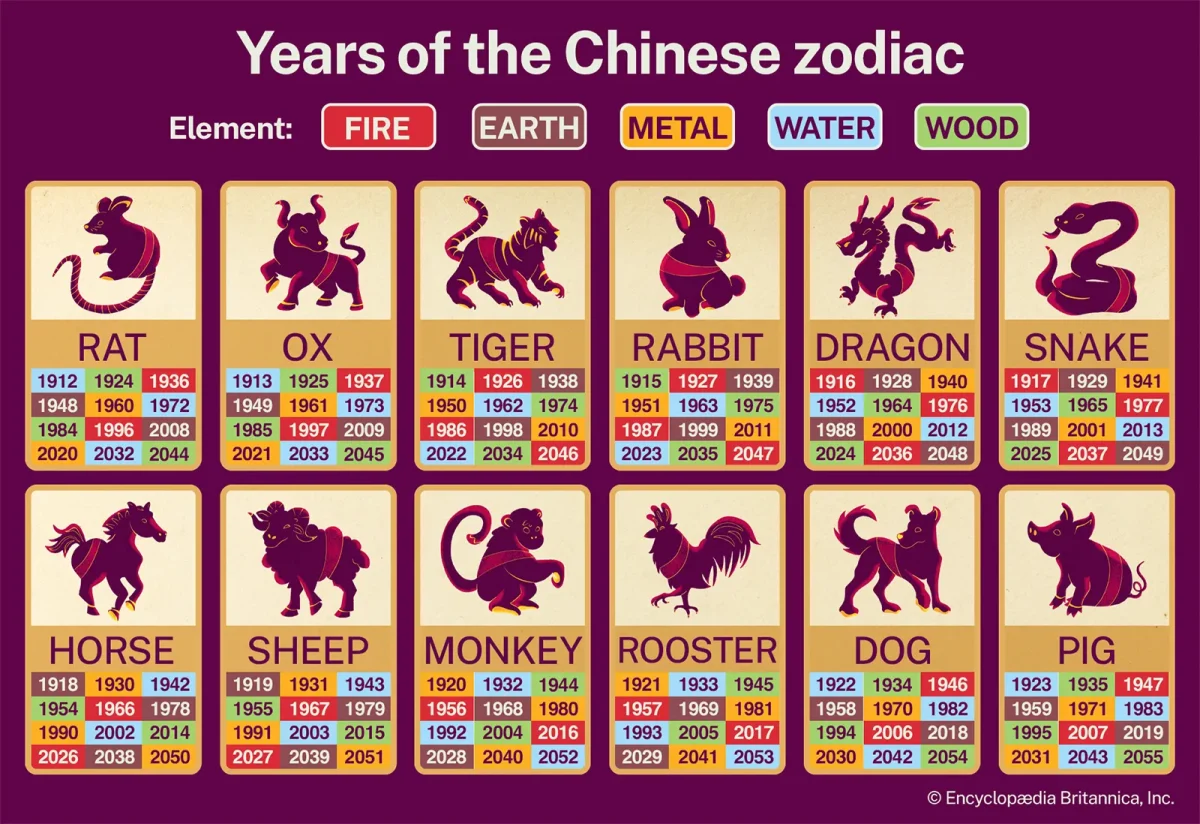
Similar to the Western zodiac, the Chinese zodiac also has 12 signs symbolized by animals. While it is also based on astrology, the Chinese zodiac signs do not have corresponding constellations. The 12 signs in order are rat, ox, tiger, rabbit, dragon, snake, horse, goat, monkey, rooster, dog, and pig. There is one sign per year, known as “the year of the (zodiac)”. Each year, there is a different one; they cycle in order. For example, 2025 was the year of the snake, 2026 is the year of the horse, and 2027 will be the year of the goat.
Much like the Western zodiac, the Chinese zodiac can also have “key traits” associated with someone born during it. However, similar to the Western zodiac, these do not wholly determine a person or their features.
Behind the Chinese zodiac is an interesting story of a legendary race between these animals. Heather Hughes, who teaches Mandarin and Freshman Experience at St. Joe’s, offers insight into the lore.
“There’s a folk story about a race of 12 animals; the animal that finishes the race first is the first animal in the cycle. Their place in the race determines their place in the cycle of zodiacs,” Ms. Hughes said.
As well as animals, there are elements for each year. The elements are fire, earth, metal, water, and wood. An element changes every two years. 2026 is not just the year of the horse; it is the year of the fire horse. 2027 will be the year of the fire goat, 2028 will be the year of the earth monkey, and so on.
Another difference between the Chinese and Western zodiacs is the calendars that they follow. The Western zodiacs change every month, according to the Gregorian calendar (the commonly used 12-month calendar), while the Chinese zodiacs change roughly every year, according to the Chinese lunisolar calendar. The day that the Chinese zodiac changes is called Lunar New Year, and it is a largely celebrated event that lasts 15 to 16 days. This year, the Lunar New Year began on February 17th.
Overall, the Chinese and Western zodiacs may seem similar, but they bear numerous contrasts that keep them distinct. There are many types of zodiacs, and they all remain fascinating, history-related topics to look into, despite their differences–and maybe even because of them!